
Call: 08045804990
 Send Inquiry
 Send Inquiry
Foot Over Bridge
Foot Over Bridge Specification
- Thickness
- 6 mm to 20 mm (Structural Components)
- Color
- Standard Grey or as per Client Requirement
- Installation Type
- On-site Installation / Prefabricated Segment Assembly
- Features
- Anti-slip Walkways, Durable, Weather Resistant
- Material Grade
- IS 2062/IS 8500 Grade Steel
- Diameter
- N/A (Not Applicable)
- Load Capacity
- 350 kg/sq. m (Standard); Custom load design available
- Form
- Welded and Bolted Structure
- Usage
- Suitable for daily and high pedestrian traffic
- Machines Type
- Fabrication & Erection Machinery
- Application
- Railway Stations, Highways, Commercial Areas, Public Places
- Product Type
- Foot Over Bridge
- Main Material
- Mild Steel Structure with Concrete Decking
- Surface Treatment
- Hot Dip Galvanized/Painted
- Size
- Customizable as per site requirements
- Weight
- Varies based on dimensions and design
- Feature
- Prefabricated, Corrosion Resistant, High Strength
- Shape
- Rectangular or Arched Span
- Life Span
- 25-50 years with proper maintenance
- Finish Type
- Epoxy Paint or PU Paint for extra durability
- Walkway Width
- 1.5 to 3.5 meters Standard, Customizable
- Drainage System
- Integrated Deck Drainage Design
- Galvanizing Thickness
- 60-80 microns (if galvanized)
- Handrail Height
- 1.2 meters (as per standard safety codes)
- Span Length
- Up to 50 metres (Standard); can be customized
- Lighting Provision
- LED Light Fixtures Provided upon Request
- Decking Material
- RCC Slab/Precast Panels or Chequered Plate
- Accessibility Feature
- Wheelchair Accessible Ramps available
- Staircase Type
- Straight, Spiral, or Ramp Provided
- Guard Rail
- Double Guard Rail for Enhanced Safety
- Wind Load Capacity
- Designed as per IS 875 (Part 3)
- Seismic Compliance
- As per IS 1893 (Zone Specific)
- Foundation Type
- Reinforced Cement Concrete Piles or Raft footings
Foot Over Bridge Trade Information
- Main Domestic Market
- All India
About Foot Over Bridge
A foot over bridge is designed for pedestrians or in some cases cyclist to cross the road in India and railway lines and platforms in railway stations, Foot over bridge is becoming very popular in urban India as it help to cross the road for pedestrians without worrying about high speed traffic, as well as its very safe option without interrupting vehicles. In rural India it very helpful to cross the rivers.Engineered Safety and Compliance
Every foot over bridge is designed with adherence to IS 875 (part 3) for wind load and IS 1893 for seismic compliance, ensuring optimal safety in varying environments. Robust double guard rails and a standardized handrail height offer extra protection, while non-slip decking provides secure footing for high daily pedestrian traffic.
Accessible and Customizable Solutions
Bridges come with options for straight, spiral, or ramp stairs, plus integrated wheelchair-accessible ramps. Custom span lengths (up to 50 metres) and walkway widths (1.5 to 3.5 meters) accommodate site-specific needs, alongside customizable finish colors and surface treatments for enhanced durability and aesthetics.
Durable Construction with Advanced Features
Main structures use high-strength IS 2062/IS 8500 grade steel, protected by hot-dip galvanizing or industrial-grade paint. Integrated features, such as deck drainage and the provision for LED lighting, enhance user experience, while prefabricated designs streamline on-site installation and long-term maintenance.
FAQ's of Foot Over Bridge:
Q: How is the durability of the foot over bridge ensured over time?
A: The bridge uses high-grade IS 2062/IS 8500 steel, reinforced cement concrete, and protective finishes like epoxy or PU paint. Hot-dip galvanizing (60-80 microns) offers corrosion resistance, ensuring a lifespan of 25-50 years with regular maintenance.Q: What customization options are available for span length and design?
A: Span lengths up to 50 metres are standard, but both span and walkway width (1.5-3.5 meters) can be customized. Choices include straight, spiral, or ramp staircases, arched or rectangular shapes, and several finishing colors to suit site demands.Q: When and where should these foot over bridges be installed?
A: They are ideal for locations with heavy pedestrian traffic, such as railway stations, highways, commercial complexes, and public spaces. Installation is recommended during planned civil works or urban development projects, depending on site requirements.Q: What is the installation process for the bridge?
A: Bridges are prefabricated in segments, transported to site, and assembled with welded and bolted connections. Foundations are constructed using RCC piles or raft footings to ensure stability and load-bearing, minimizing disruption and expediting project timelines.Q: How does the bridge improve pedestrian accessibility and safety?
A: Features like 1.2-meter handrails, double guard rails, anti-slip walkways, and wheelchair-accessible ramps make the bridge safer and accessible for all users, including those with mobility challenges.Q: What is the standard load capacity, and can it be tailored?
A: The standard load capacity is 350 kg/sq. m, suitable for daily and high pedestrian volumes. Custom load designs are available to meet specific site or project requirements.Q: What benefits do integrated LED lighting and deck drainage provide?
A: LED lighting (provided upon request) enhances visibility and security at night, while integrated deck drainage systems prevent water accumulation, improving walkway safety and prolonging structural longevity.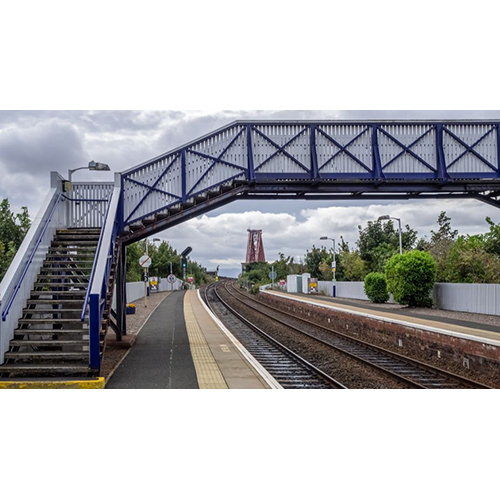
Tell us about your requirement

Price:
Quantity
Select Unit
- 50
- 100
- 200
- 250
- 500
- 1000+
Additional detail
Mobile number
Email

More Products in Steel Girder Category
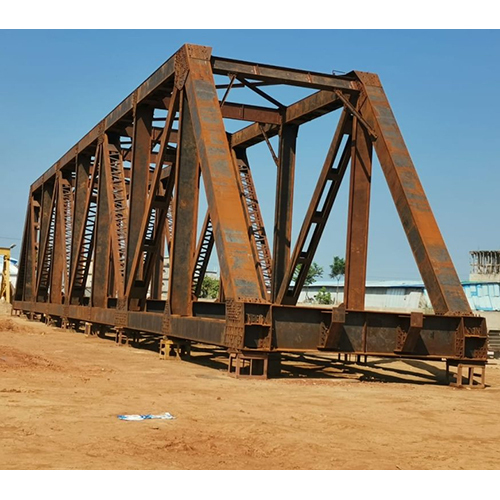
Open Web Girder
Minimum Order Quantity : 25 Tons
Main Material : Mild Steel
Usage : Heavy Structural Support
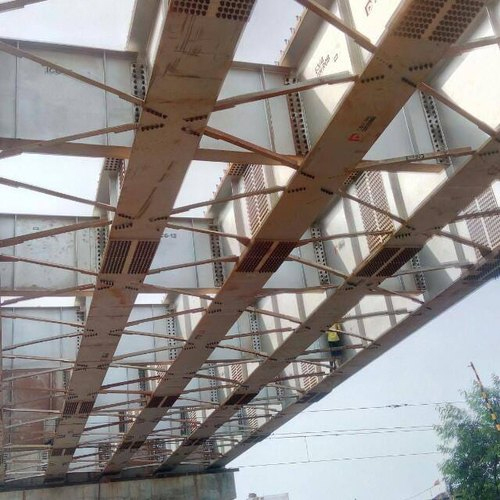
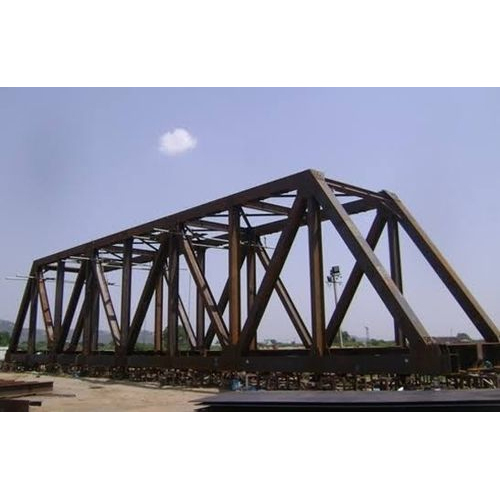

Factory Address: Vill Narendrapur, P.O. (Munshirhut), P.S., Jagatballavpur (Howrah District), 711410
Contact Details
V. R. GLOBAL PVT. LTD.
GST : 19AALCS4464J1ZR
- B No. 23A, 11th Floor, Room No. 29, Kolkata - 700001, West Bengal, India
- Phone :08045804990
 Send Inquiry
Developed and Managed by Infocom Network Private Limited.
